

Running
Running is one of the most accessible and effective forms of exercise, offering a multitude of benefits for physical and mental health. Whether you're a seasoned marathoner or a casual jogger, the act of running can significantly enhance your well-being.
#1: Cardiovascular Health
Running is a highly effective cardiovascular exercise. It elevates your heart rate, improving the efficiency of your heart and lungs. Regular running strengthens the heart muscle, increases blood circulation, and reduces the risk of cardiovascular diseases such as heart attacks, strokes, and high blood pressure.
#2: Enhanced Endurance and Stamina
Running regularly improves your endurance and stamina, making everyday activities easier. It increases your lung capacity and the efficiency of your cardiovascular system, allowing you to perform physical tasks with less effort. Over time, you'll notice improvements in your overall fitness and energy levels.
#3: Muscle and Bone Strength
While running primarily targets the lower body, it also engages the core and upper body muscles, contributing to overall muscle tone and strength. Plus, running is a weight-bearing exercise, which means it helps build and maintain strong bones. If you're terrorized by the possibility of your bones snapping at any moment, liberation is at hand.
#4: Improved Immunity
Regular running can boost your immune system, making you less susceptible to common illnesses like colds and flu. Exercise stimulates the production of white blood cells and antibodies, which are crucial for fighting off infections.
#5: Weight Management
Running increases your metabolism, helping you burn more calories even at rest. Depending on your weight and pace, you can burn anywhere from 300 to 600 calories per hour. Additionally, running helps reduce visceral fat, the harmful fat stored around your internal organs.
#6: Improved Sleep Onset and Duration
Regular aerobic exercise (like running) can increase total sleep time and the duration of slow-wave sleep (SWS), also known as deep sleep. This stage of sleep is crucial for physical recovery, as it is when the body repairs tissues, builds muscle, and strengthens the immune system. Additionally, deep sleep plays a vital role in memory consolidation and cognitive function. By enhancing SWS, running contributes to both physical and mental rejuvenation.
#7: Regulation of Circadian Rhythms
The body's internal clock, or circadian rhythm, regulates sleep-wake cycles. Running, especially when performed outdoors, can help regulate circadian rhythms by exposing the body to natural light. This exposure helps to synchronize the internal clock, promoting a more consistent sleep schedule. Morning runs, in particular, can help set the body's natural sleep-wake cycle, making it easier to wake up in the morning and feel alert throughout the day. Treadmill runs are effective but default to the outdoors when you can.
#1: Stress Relief
Running is a powerful stress-reliever. Physical activity increases the production of endorphins, chemicals in the brain that act as natural painkillers and mood elevators. This phenomenon, often referred to as the "runner's high," can provide a sense of euphoria and relaxation. Running also reduces levels of the stress hormone cortisol, helping you manage stress more effectively. The sense of accomplishment and goal-setting associated with running can also boost self-esteem and confidence.
As a lifelong bookworm I was shocked how consistent exercise dissolved a lot of the anger and anxiety I had for years. I always thought athletes just acted 'cool', but just like how musicians have that relaxed yet ready vibe, consistent exercise can put you in the same state of being.
#2: Alleviation of Depression
The release of endorphins and other neurotransmitters, such as serotonin and dopamine, helps to regulate mood and combat feelings of depression. Regular running can increase the levels of these "feel-good" chemicals in the brain, leading to improved mood and emotional well-being. Furthermore, the sense of accomplishment and goal-setting associated with running can boost self-esteem and confidence, providing a positive outlook on life.
#3: Cognitive Benefits
Beyond mood regulation, running offers cognitive benefits that enhance overall well-being. Regular aerobic exercise has been shown to improve memory, attention, and executive function. Running increases blood flow to the brain, promoting the growth of new neurons and enhancing neuroplasticity. These changes can lead to improved mental clarity, focus, and creativity.
#4: Social Interaction and Community
Participating in running clubs, group runs, or races provides opportunities to meet new people and build supportive relationships. Social interaction is a key component of overall well-being, offering emotional support, motivation, and a sense of belonging. The shared experience of running can create strong bonds and a supportive network, enhancing both mental and physical health.
As an introvert, social stuff doesn't come easy to me. But I have been amazed by the good vibes that the running community encourages. If you've taken up the courage to start the race, everyone wants to help you finish it. Running is an excellent sport to be an athlete and an audience member.
#5: Time Management
The structured nature of a running regimen can provide a sense of discipline and routine, helping individuals manage their time more efficiently. The act of running itself offers a break from daily stressors, providing an opportunity to clear the mind and focus on the present moment.
I didn't have any hope for the future so I never planned one out. That said, living for today is cute up until you've got a mortgage. I found that the structure of a running plan is something to get excited about beyond the everyday commitments of life.
#1: Key Features to Consider
Focus on these features when selecting running shoes:
- Cushioning: Affects comfort and shock absorption.
- Heel-to-Toe Drop: High drop aids heel cushioning; low drop promotes a natural stride.
- Fit: Ensure a secure but comfortable fit.
- Breathability: Look for mesh uppers to keep feet cool.
- Durability: Reinforced areas are essential for high-mileage runners.
Knowing your foot type helps in selecting supportive shoes:
- Neutral Arches: Natural shock absorption; neutral shoes with moderate cushioning work well.
- High Arches: Feet roll outward (supination); need extra cushioning for shock absorption.
- Flat Feet: Arches collapse inward (overpronation); stability or motion control shoes are best.
How to tell your foot type:
Wet Foot Test
- Wet the bottom of your foot.
- Step onto a piece of cardboard or a paper bag.
- Look at the footprint:
- Neutral arch: You see a clear curve along the inside of the foot with about half the arch showing.
- High arch: Very narrow band or almost no connection between heel and forefoot.
- Flat foot: Most of the foot is visible with little to no inward curve.
Shoe Wear Pattern
- Neutral: Even wear across the middle of the forefoot and slightly toward the outside of the heel.
- High arch / supination: More wear along the outer edge.
- Flat / overpronation: More wear on the inside edge of the heel and forefoot.
#2: Tips for Trying On Running Shoes
- Try on shoes in the afternoon when feet are swollen.
- Wear running socks for accurate fit.
- Test them by walking or jogging.
- Consider cushioning based on your strike style.
#3: When to Replace Your Running Shoes
Replace shoes every 300-500 miles or if you notice:
- Worn Out Soles
- Loss of Cushioning
- Uneven Wear
Most training apps let you add footwear to keep track of mileage.
Pro Tip: Schedule a visit with Fleet Feet to go through their Outfitting Process which includes a 3D foot scan and a gait analysis (if you have a neutral gait, if you pronate or supinate). They'll walk you through several shoe and insole options based on the results of those tests. I'm not sponsored or paid by them.
Pro Tip: If you want a full catalog of 900+ sneaker reviews, check out RunRepeat. They do in-depth technical breakdowns, compare similar models side-by-side and have tons of pictures (including cutting shoes in half to show you how the average foot sits in it).
Running Sneakers
Here's five models to start with. Return what doesn't work and find what's best for you. I personally use the ASICS GEL-CUMULUS 27 and the Allbirds Tree Dasher 2.
#1: Nike Air Zoom Pegasus 40
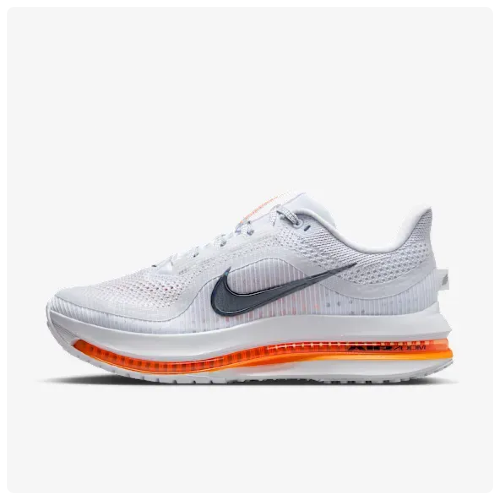
Extremely versatile, great for daily runs and long distances. It offers a balance of comfort, durability, and support, making it a reliable all-around option for most runners.
- Speed
- Cushioning
- Handling
- Durability
- Comfort
#2: Brooks Ghost 15
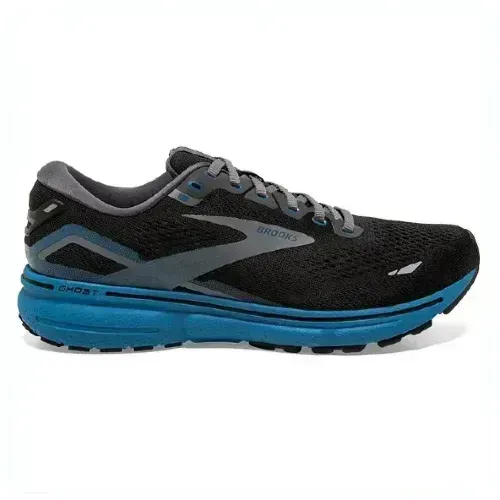
Renowned for its soft cushioning and smooth ride, it’s a great choice for neutral runners, whether you're running short distances or marathons.
- Speed
- Cushioning
- Handling
- Durability
- Comfort
#3: Hoka Clifton 9
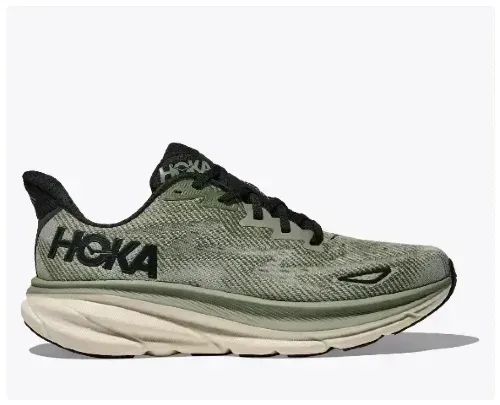
Maximal cushioning with lightweight construction, ideal for those needing extra shock absorption without compromising comfort or speed.
- Speed
- Cushioning
- Handling
- Durability
- Comfort
#4: Saucony Endorphin Speed 4
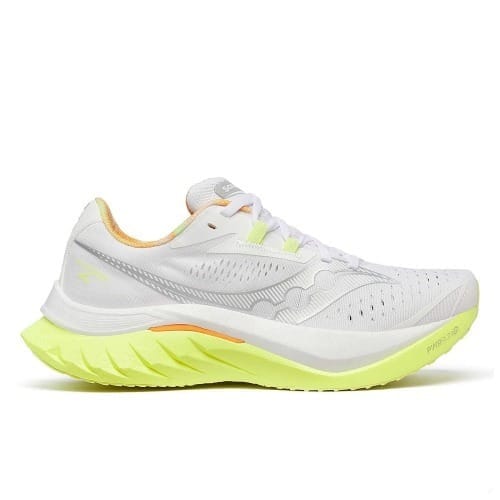
A lightweight and responsive shoe with a nylon plate for speed, making it ideal for tempo runs or race days.
- Speed
- Cushioning
- Handling
- Durability
- Comfort
#5: Asics Gel-Nimbus 25
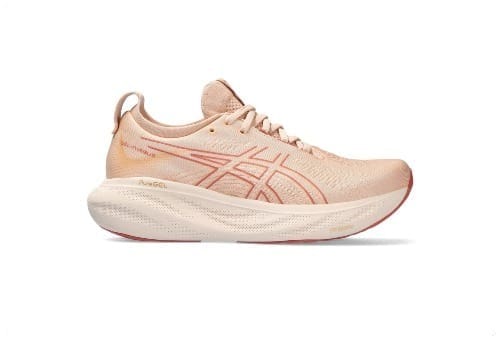
Exceptional support and cushioning, particularly for runners with high arches or those needing a softer, more forgiving ride.
- Speed
- Cushioning
- Handling
- Durability
- Comfort
Running Sandals
Don't knock it till you try it. They're inspired by the huaraches used by Mexican and Native American indigenous runners. I've found that running sandals help strengthen my sense of balance and proprioception. I personally use the Xero Genesis Sandals.
Consider the following:
- Sole Thickness: Thinner soles mimic barefoot; thicker soles offer cushioning.
- Strap Design: Should fit securely without chafing.
- Traction: Essential for trails or uneven surfaces.
- Arch Support: Beneficial for certain foot types.
- Durability: Look for quality materials like Vibram soles.
Here's five models to start with.
#1: Luna Sandals Mono Winged
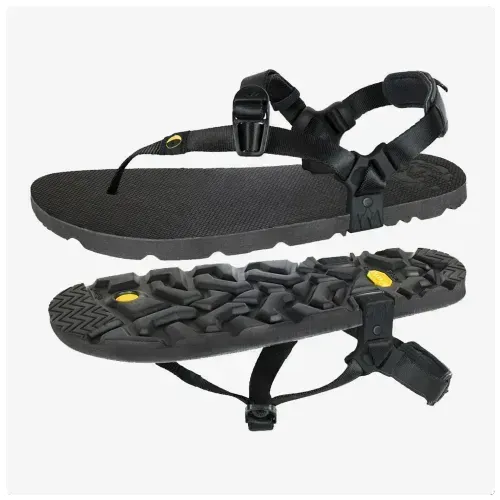
Designed by ultra-runner Barefoot Ted, these sandals are great for long-distance running, offering excellent grip, comfort, and a minimalist design.
- Speed
- Cushioning
- Handling
- Durability
- Comfort
#2: Xero Shoes Z-Trail EV
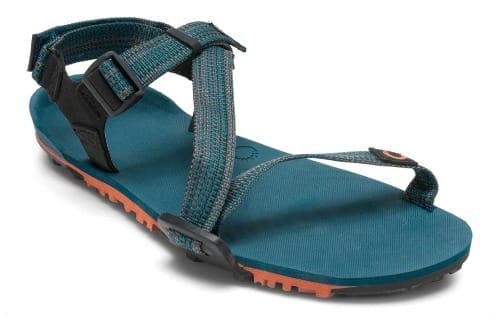
Super lightweight and flexible, the Z-Trail is perfect for trail running or road running, with a durable, barefoot-style design.
- Speed
- Cushioning
- Handling
- Durability
- Comfort
#3: Bedrock Cairn 3D Pro II
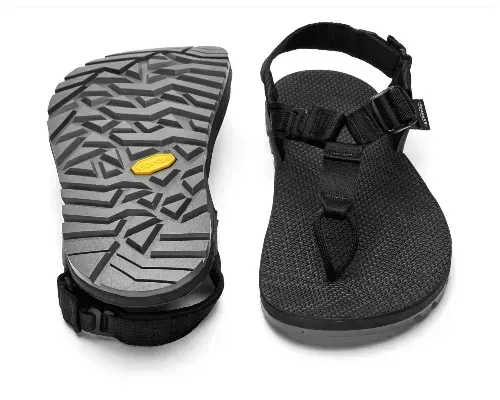
Known for their secure fit and rugged construction, these sandals provide great traction and comfort on both trails and roads.
- Speed
- Cushioning
- Handling
- Durability
- Comfort
#4: Shamma Sandals Warriors
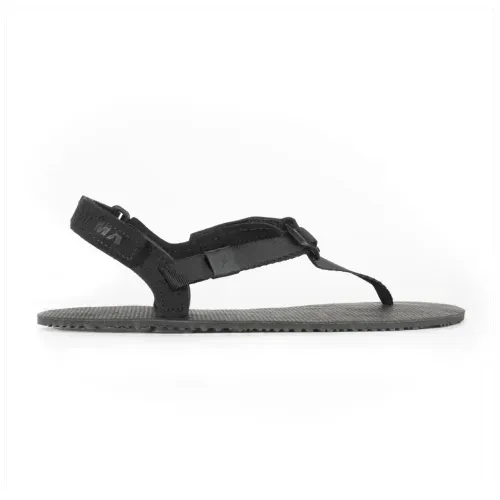
Minimalist and ultra-lightweight, these sandals offer a more natural feel while running, making them perfect for those looking to transition into barefoot-style running.
- Speed
- Cushioning
- Handling
- Durability
- Comfort
1. GPS Watch or Running App
Why you need it: Tracking pace, distance, heart rate, and splits is the foundation of getting better. A GPS watch gives you real-time feedback and makes your training feel intentional instead of “vibes-based cardio.”
What to get — Watches: Garmin Forerunner, Coros Pace, or Apple Watch. Most Garmins are excellent, and the Apple Watch is “good enough” for 90% of runners.
What to get — Apps: Strava, Nike Run Club, Runkeeper, or Runna (which was recently acquired by Strava).
What I use: G-Shock GBD-H2000 + Strava. For everything I use, check out Equipment:
 Sendō
Sendō
2. Hydration Gear
Why you need it: Hydration isn’t optional—especially once your runs go beyond a few miles or the temperature spikes. Good hydration gear keeps your hands free and your performance stable.
What to get: Handheld bottles for short runs, hydration belts for mid-distance, or hydration vests for long runs and trail days.
3. Foam Roller & Massage Tools
Why you need it: Recovery is where the actual improvement happens. Foam rolling and massage tools help loosen tight muscles, improve mobility, and keep injuries from sneaking up on you.
What to get: Standard foam rollers, massage sticks, or massage guns like the Hypervolt or Theragun.
4. Running Hat or Visor
Why you need it: A lightweight hat keeps the sun off your face and helps regulate heat. Plus, it stops sweat from running into your eyes.
What to get: Moisture-wicking materials with good ventilation. Depending on where you're running, no shame in breaking out the bucket hat.
5. Running Sunglasses
Why you need them: Your eyes deserve the same protection as your skin. Sunglasses reduce glare, improve comfort, and keep you focused on the run—not squinting at the horizon.
What to get: Lightweight, UV-protected shades from brands like Goodr or Oakley.
6. Running Belt or Waist Pack
Why you need it: Carry your phone, keys, gels, and other essentials without feeling like you’re lugging around a backpack. A good belt disappears while you run.
What to get: Sleek options like the FlipBelt or Nathan belts.
7. Reflective Gear & Lights
Why you need it: If you run before sunrise or after sunset, being visible is non-negotiable. Reflective gear ensures drivers (and cyclists) see you.
What to get: Reflective vests, bands, clip-on lights, or a simple chest light setup.
8. Compression Gear
Why you need it: Compression socks or sleeves can help circulation, reduce muscle fatigue, and speed up recovery. Some runners wear them mid-run; others swear by them post-run.
What to get: Calf sleeves or compression socks for long runs or recovery days.
9. Running Gloves
Why you need them: Cold hands = miserable run. Running gloves keep your fingers warm without turning your hands into mini saunas.
What to get: Lightweight gloves with moisture-wicking fabric and touch-screen compatibility.
10. Running Jacket or Windbreaker
Why you need it: A solid lightweight running jacket shields you from wind, rain, and sudden weather changes while staying breathable.
What to get: Water- and wind-resistant layers like the Patagonia Houdini or Nike Shield.
About These Drills
- Include 3–6 drills before a quality run (tempo, intervals, long run).
- Each drill should last 20–30 meters or 20–30 seconds.
- Start slow to build coordination, then increase intensity over time.
Warm Up Drills
Use these to get blood flowing and activate the right muscle groups:
- Leg Swings (Front-to-Back + Side-to-Side)
- Walking Lunges
- High Knees (in place or forward)
- Butt Kicks
- Toy Soldiers (Straight-Leg Kicks)
- World’s Greatest Stretch
- A-Skips (Low Intensity)
- Karaoke/ Grapevine (Lateral movement)
Form Drills
Great for improving stride, posture, and rhythm:
- A-Skips (high knee skip with arm drive)
- B-Skips (extend the leg after high knee)
- High Knees (Running Form Focus)
- Butt Kicks (Hamstring engagement)
- Bounding (Long exaggerated strides to build strength)
- Fast Feet (Quick, short ground contact)
- Arm Swings (isolated upper-body drill)
- Wall Drills (Leaning position running form)
- Marching A-Drill (Slow A-skip with focus on knee lift)
Speed, Power, and Agility Drills
Use these sparingly throughout the week for explosive power and turnover:
- Strides (4-6x 60–100m, 70–90% max effort)
- Hill Sprints (Short & steep, 10–20 seconds)
- Acceleration Drills (20m, 30m, 40m builds)
- Lateral Hops (Over a line or cone)
- Hurdle Drills (real or imaginary, focusing on lift and rhythm)
- Plyometric Skips (High skips for height and spring)
You don’t always have to suffer to get better. In fact, going slow might be the smartest way to go fast. Zone 2 training—often called “conversational pace”—is one of the most effective tools for endurance, fat-burning, and longevity. It’s not flashy. It’s not painful. But over time, it completely reshapes your aerobic engine. Whether you’re training for a 5K or an ultramarathon, Zone 2 is your foundation.
What Is Zone 2?
Zone 2 refers to a specific heart rate range that targets your aerobic system without overstressing your body. On a scale of 1 to 5 (where Zone 5 is your all-out sprint), Zone 2 sits comfortably at about 60–70% of your maximum heart rate. It’s often called the "aerobic base" zone because it strengthens your cardiovascular system without overstressing it.
You should be able to speak in full sentences while running or cycling in this zone. If you’re gasping for air, you’ve gone too hard. If you’re barely breathing, you might be undercooking it. This is the zone of easy effort, fat-burning metabolism, and long-term cardiovascular health.
Why Train in Zone 2?
Zone 2 training helps build mitochondrial density—the little power plants in your cells that process oxygen and fuel. More mitochondria = better endurance and recovery. Over time, Zone 2:
- Increases aerobic capacity (VO2 max)
- Improves fat metabolism
- Enhances lactate clearance (you can buffer hard efforts better)
- Lowers resting heart rate
- Boosts overall durability
And maybe most importantly: it’s sustainable. You can do it more often without burning out.
- Builds aerobic capacity: You expand your ability to use oxygen efficiently—this is what allows you to go longer and feel less tired.
- Burns fat, not sugar: Zone 2 improves your body’s ability to use fat as fuel. That means better energy levels and less reliance on gels or snacks.
- Strengthens the heart: Your heart becomes more efficient, lowering your resting heart rate and improving recovery between efforts.
- Less injury risk: Because it’s low impact and low stress, you can stack more time training without burning out.
- Mental resilience: It’s humbling. It forces you to be patient. In a world of “go hard or go home,” it teaches you to listen to your body and stay present.
How to Find Your Zone 2
There are a few ways to estimate it:
- Heart rate method: Zone 2 is roughly 180 minus your age (Maffetone method), with a few adjustments for fitness or illness.
- Talk test: If you can speak in full sentences while running, you're likely in Zone 2. If you're huffing, you’re too high.
- Perceived effort: Zone 2 feels like a 4/10 on the effort scale. You could do it for hours—because one day, you might.
How Often Should You Train in Zone 2?
If you're serious about endurance, at least 70–80% of your weekly mileage should be in Zone 2. That’s not a typo. It’s common to want to push every workout. But here’s the trick: the more time you spend in Zone 2, the higher the ceiling becomes for your harder efforts. Your sprints get faster. Your races feel easier. Your recovery gets shorter. Everything improves—because the engine underneath is bigger.
Elite endurance athletes spend up to 80% of their time in Zone 2. For the rest of us, 2–4 sessions per week is a great start. Long runs, recovery runs, or easy rides are all opportunities to build your base.
Consistency is more important than duration. 30–60 minute sessions work well. For marathoners or ultra athletes, longer efforts in Zone 2 (up to 90–120 minutes) build crucial aerobic efficiency.
What It Looks Like in Practice
Let’s say you run four times a week. Three of those should be easy Zone 2 sessions - long and slow. One might be a speed workout or hill session. As you get fitter, you’ll notice your Zone 2 pace gets faster at the same heart rate. That’s the magic.
If you’re walking or jogging slower than you'd like at first, don’t worry. This is common. Your body is recalibrating, building mitochondria, improving efficiency. Trust the process.
Yoga also supports Zone 2 training by enhancing breathing efficiency, flexibility, and recovery. Breathwork especially can teach you how to manage your aerobic output and stay calm under stress. Incorporating yoga sessions on off days or after long Zone 2 efforts helps keep your system balanced.
 Sendō
Sendō
 Sendō
Sendō
 Sendō
Sendō
 Sendō
Sendō
 Sendō
Sendō
Foundations
 Sendō
Sendō
 Sendō
Sendō
 Sendō
Sendō
 Sendō
Sendō
 Sendō
Sendō
Applications
 Sendō
Sendō
 Sendō
Sendō
 Sendō
Sendō

Subscribe to get updates on new content, merch and more from Sendō Worldwide.
Browse the Online Shop for apparel, accessories and training books to equip yourself for the path ahead.
Have a tip, story, or idea? It could end up in a future post. Email me anytime with questions, thoughts, or even confessions — we're all in this together.