

Operating System
Everyone has an operating system. It's the collection of principles, habits, beliefs, and routines that shape how you respond to success, failure, stress, relationships, work, and the countless decisions you make every day. Whether you've consciously designed it or not, you already have one.
What follows is the operating system I've gradually built through years of training, reading, reflection, and plenty of mistakes. I call it Sendō.
The purpose of this article isn't to convince you to adopt my philosophy. It's to encourage you to examine your own. The more clearly you understand how you think and why you act, the easier it becomes to build a life that reflects your values instead of reacting to circumstances.
How do I become someone I actually respect?
Over the years that question led me through endurance sports, strength training, yoga, meditation, breathwork, philosophy, and psychology. Eventually I realized they weren't separate pursuits - they were different expressions of the same idea.
That idea became Sendō.
Rather than focusing on a single sport or training style, this is a system for cultivating a resilient body, a clear mind, and a meaningful life. Lifting weights, practicing yoga, or sitting quietly in meditation are all different ways of putting that system into practice.
There's five foundations, and each one supports the others. Together they create a system that can be applied to almost any pursuit.
#1: Personal Principles
The principles you choose determine how you respond to adversity, treat other people, pursue your goals, and define success. These ideas continue to evolve throughout life, but developing them intentionally is one of the most valuable things you can do.
OK, duh. But I failed to internalize any of that until my late 20s. I didn't have an internal drive to motivate me so I used deadlines and desperation to get through life. I survived, but never really thrived.
Then I read Principles by Ray Dalio several years ago, which had a tremendous impact on how I approach life as an adult. What I learned is that one of the most important things you can do in life is to explore and improve your mental framework.
 Sendō
Sendō
#2: Breathwork
Breath is the bridge between body and mind. Like ball, it is life. Whether you're deep in a pose, grinding through a lift, or zoning in on a long run, your breath is the thread that connects body, mind, and intention.
When used with awareness, breath becomes a powerful tool for regulating energy, focus, recovery, and emotional state. It's not background noise - it's the remote control for your nervous system. Techniques like deep breathing and breath retention are central to this practice.
 Sendō
Sendō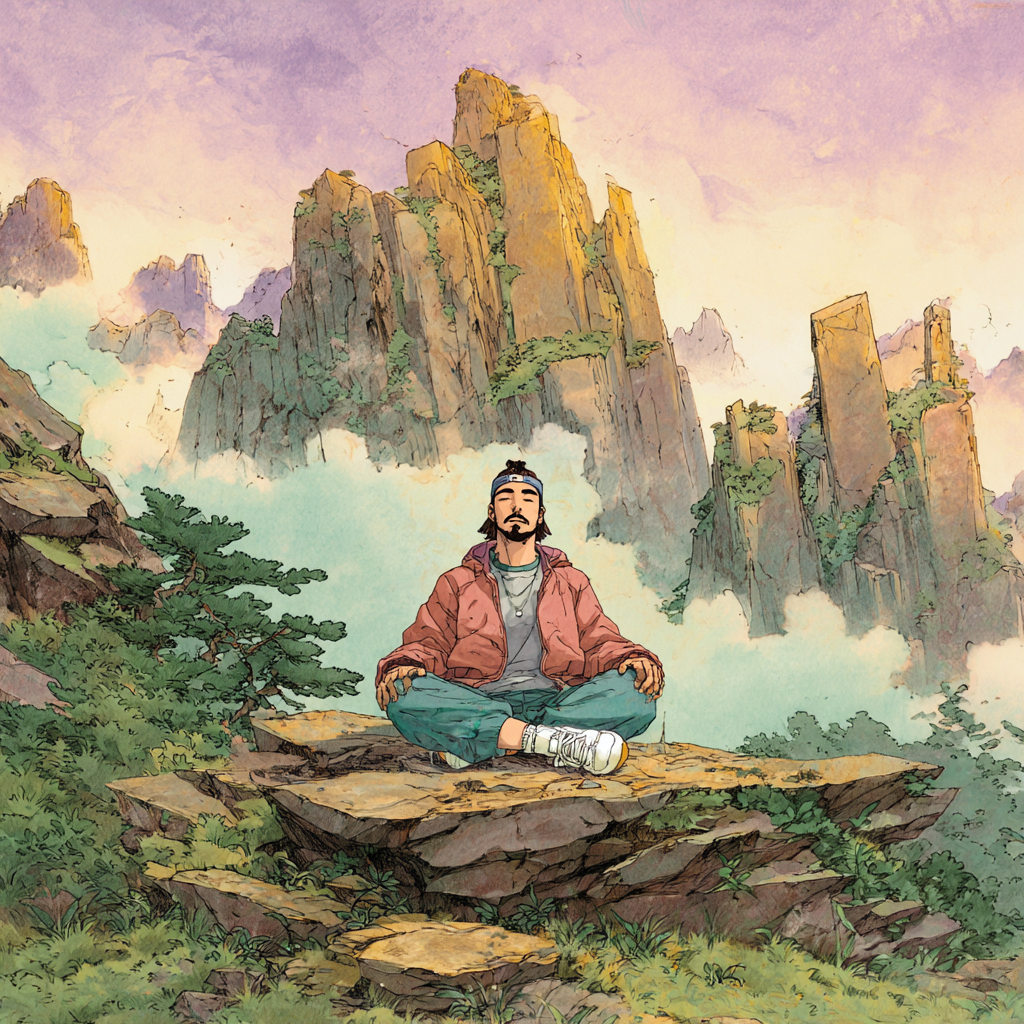
#3: Meditation
By focusing on the breath over time, you'll naturally extend into the withdrawal of the senses from external stimuli, which leads to deeper concentration and ultimately, meditation. Meditation trains attention, helps quiet unnecessary mental noise, and creates the space between stimulus and response where better decisions are made.
Honestly most of the time, what we call meditation is just brief spurts of concentration, but as you extend those moments of focus, it becomes a continuous session of concentration - that's meditation. It could be focusing on your breath, an image, idea, or on the space between your eyebrows. Every time thoughts come and go, bring it back to the breath. Time eventually slips away, but it takes time.
For me that was years of practice every day, and even now it doesn't stick every time. But when you get there, you'll know. Just don't fixate on even that thought. Then you've lost it again.
 Sendō
Sendō
#4: Strength Training
Strength is the foundation of physical capability. Whether your goal is longevity, athletic performance, or simply carrying groceries without pain, building strength supports every other aspect of movement. We all have a body, after all. Whether you're 16 or 60, gender or genderless, you've got to take care of the one you've got.
 Sendō
Sendō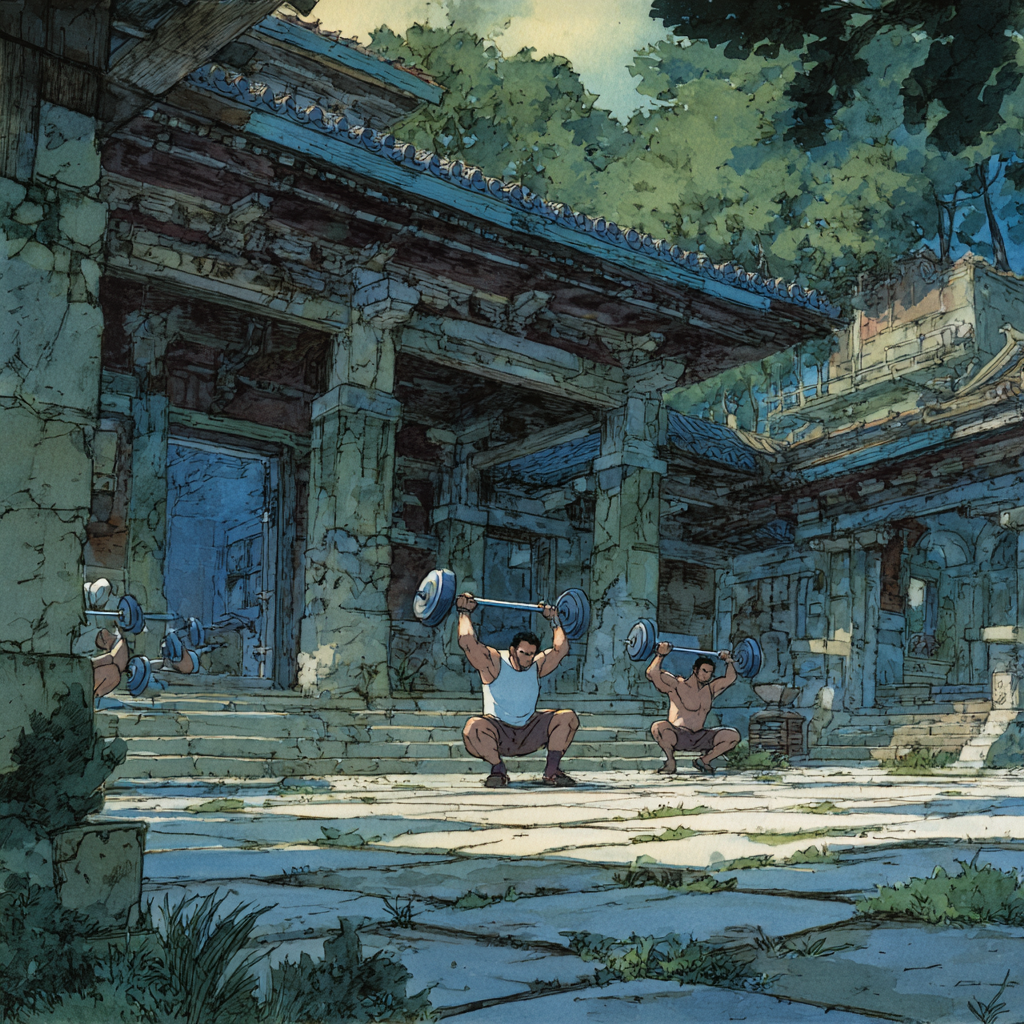
#5: Yoga Asanas
Yoga develops mobility, balance, resilience, and self-awareness. The yoga you may typically know, the bendy stuff, are called asanas, but it's deeper purpose is cultivating a disciplined and intentional way of living.
Asanas (postures) enhance flexibility, balance, and muscle strength, which supports better posture and reduces injury risk in athletes. Its emphasis on breathwork and mindfulness also aids mental focus and stress reduction, beneficial for maintaining endurance.
There are numerous styles of yoga asanas, each offering a unique approach and experience. Whether you're looking for relaxation, flexibility, strength, or spirituality, there’s a style for everyone.
 Sendō
Sendō
Any system is only valuable if you use it. For me, that has often meant running, cycling and strength training. For someone else it might be martial arts, hiking, climbing, dance, or simply becoming healthier for their family.
The activity itself is secondary. The real objective is showing up consistently, training with intention, and becoming a little better than you were yesterday.
 Sendō
Sendō
 Sendō
Sendō
 Sendō
Sendō
You'll borrow ideas from books, teachers, religions, coaches, friends, and your own experiences. Some principles will stay with you forever. Others you'll eventually outgrow. That's the point.
So ask questions. Stay curious. Keep training. Keep reflecting. Keep adapting.
Here's my personal principles:
 Sendō
Sendō
Foundations
 Sendō
Sendō
 Sendō
Sendō
 Sendō
Sendō
 Sendō
Sendō
 Sendō
Sendō
Applications
 Sendō
Sendō
 Sendō
Sendō
 Sendō
Sendō

Subscribe to get updates on new content, merch and more from Sendō Worldwide.
Browse the Online Shop for apparel, accessories and training books to equip yourself for the path ahead.
Have a tip, story, or idea? It could end up in a future post. Email me anytime with questions, thoughts, or even confessions — we're all in this together.